Cleaners in Westminster for practical home and workplace cleaning

We provide cleaners in Westminster for homes and workplaces that need careful, dependable cleaning with a clear focus on the rooms and surfaces that matter most. The service covers routine housekeeping, deeper refreshes, and specialist tasks such as carpets, upholstery, ovens, windows and end of tenancy work. If you want an arranged clean that fits a particular property type, we can help you decide which option suits the state of the space and the finish you want.
The strongest results usually come from matching the clean to the job rather than treating every property the same. Light regular cleaning is useful for keeping on top of visible dust, floors and touchpoints, while a deeper visit can focus on corners, built-in fittings and harder-to-reach areas. Our approach is practical and structured, with the aim of making the service easy to understand before you request a quotation. For straightforward pricing details, you can start with our pricing and quotes page.
Some customers need a one-off reset after a busy period, while others want an ongoing arrangement for a flat, house or office. We also support more specific work where the choice of cleaning method matters, such as fabrics, hard floors or ovens. If you are comparing options, it is often best to begin with the room or item that needs the most attention and work outward from there. For a direct enquiry, please use our contact page.
Domestic cleaning that fits everyday routines
Domestic cleaning is often most useful when it follows the way a home is actually used. Kitchens, bathrooms, hallways and living spaces each need a different pace and order of work, and a sensible clean reflects that rather than forcing everything into the same checklist. In practice, that means removing everyday dust, wiping accessible surfaces, freshening sanitary rooms, and paying attention to the marks that collect around switches, handles and skirting. A home can feel different after a well-planned clean because the visible details are dealt with in a consistent way.
There is also a difference between maintenance and catch-up cleaning. Maintenance keeps a property presentable and manageable from week to week, while catch-up work helps when the cleaning burden has built up. We can discuss either approach depending on what the home needs. If you are preparing a room for visitors, a rental changeover or simply a calmer week ahead, it helps to identify the highest-priority spaces first so the work is arranged in the most useful order.
Within domestic work, useful decisions often come down to how much time should be spent on detail. Some households want a broader tidy and clean across all main rooms, while others want a focused effort on kitchens and bathrooms because those areas need the most regular attention. For broader home support, our domestic cleaning page explains the core service, while our house cleaning page is useful when you want the job understood as a full-property clean rather than a single-room task.
Deep cleaning for a more thorough reset

Deep cleaning is the better option when a room needs more than a standard tidy-up and wipe-down. It usually involves closer attention to limescale, grease, accumulated dust, neglected edges and the places that are missed in everyday cleaning. This can be particularly useful in kitchens, bathrooms, communal spaces and properties that have been left for a period of time. A deeper clean is not simply about doing more work; it is about choosing the right sequence and tools so the property is tackled methodically.
One reason customers choose a deep clean is that it can make later maintenance easier. Once the heavier build-up has been reduced, regular cleaning becomes more manageable and the visual standard is easier to keep. That said, deep cleaning is still a finite service, not a renovation, and it works best when expectations are set around cleaning outcomes rather than restoration. If something needs specialist treatment, such as a marked carpet or a tired oven interior, it may be more sensible to include a focused add-on than to fold everything into one general visit.
Useful linked pages for this kind of work include deep cleaning for the main service, and one-off cleaning if you want a single visit rather than a repeating arrangement. Where the home or rented property is being handed back, end of tenancy cleaning is the more suitable option because it is designed around the standards usually expected at move-out.
End of tenancy and move-related cleaning
End of tenancy cleaning is a detailed service for properties that are being prepared for check-out, re-letting or changeover between occupants. The work usually needs to cover the visible parts of the property thoroughly, but it is also shaped by condition and access. In a rental context, the cleaner must often pay special attention to kitchens, bathrooms, internal fittings, floor edges and other areas where accumulated marks are easy to miss. It is best approached as a disciplined clean rather than a casual tidy.
Move-related cleaning can also include items that are separate from the main rooms, such as ovens, carpets or upholstery, when those features are part of the handover standard. The key is to choose the right combination of services so that the work reflects the state of the property and the time available. If you are arranging a tenancy change, it is sensible to decide early whether the job is primarily about a broad whole-property clean or whether individual items need their own treatment as well.
For a closer look at the service itself, see end of tenancy cleaning. If the property also needs fabric care, our carpet cleaning and upholstery cleaning pages cover those specialist elements. For larger clear-outs before a move, house clearance may also be relevant where unwanted items need removing before cleaning begins.
Specialist cleaning for carpets, rugs and upholstery

Fabric and floor coverings need more than general surface cleaning because their fibres and weave structure hold dust, soil and spills in different ways. Carpet cleaning can help restore a fresher appearance to rooms that see daily foot traffic, while rug cleaning is useful where a smaller decorative piece needs careful handling. Upholstery cleaning is equally specific, since sofas, armchairs and similar items often contain a mix of fabric, filling and trim that should be treated with suitable methods rather than generic wiping.
These services are often chosen for practical reasons rather than cosmetic ones alone. A carpet in a hallway may need attention because it darkens quickly from repeated use, while a sofa may need refreshing after regular family use or before a room is photographed or handed over. The important part is that the method matches the material. Stronger treatment is not automatically better; what matters is using a process that cleans effectively without creating avoidable damage or over-wetting the item.
Where these services are required, you can use the dedicated pages for carpet cleaning, rug cleaning and sofa cleaning. If you want the fabric surfaces handled as part of a wider furniture clean, upholstery cleaning gives a broader option. For fitting the work into a full home or office plan, it can help to decide whether the floor or furniture is the main focus before you request a quote.
Kitchen and appliance cleaning for harder build-up
Kitchens tend to gather the most stubborn everyday residue, which is why appliance cleaning often needs a more specific method than general room cleaning. Ovens, extractor areas and surrounding surfaces commonly collect grease, baked-on marks and food splashes, and these deposits can become more resistant over time. A proper kitchen clean therefore tends to be about sequence as much as effort: loosening the build-up safely, dealing with the accessible areas in the right order, and finishing with surfaces that matter for day-to-day use.
This type of work is useful in occupied homes as well as before a property handover. Some customers want a fresh start after a period of heavy cooking, while others need the kitchen brought back to a better standard after tenants move out. The result should be a clean that is practical rather than overcomplicated, with the most visible and frequently used areas addressed first. It can also be sensible to pair appliance work with nearby finishes such as worktops, splashbacks and cabinet exteriors so the room feels complete.
For these tasks, our oven cleaning page gives the clearest service detail, and oven cleaner is useful when you want the work described as a specialist appliance clean. If the room also needs a broader tidy, the domestic cleaning page is a good starting point for combining kitchen work with the rest of the home.
Office cleaning for orderly working spaces

Office cleaning is best understood as a service that supports the daily use of shared and individual workspaces. Desks, communal counters, meeting areas, floors, washrooms and touchpoints all gather different kinds of dust and marks, so the clean needs to be organised around how the building is used. A neat office is not just about appearance; it also depends on regular attention to the details that staff and visitors notice most, such as bins, entrances and high-contact surfaces.
Because offices vary so much, the service usually needs some flexibility. A smaller workspace may only need simple maintenance and periodic deeper work, while a larger or busier environment may require a more structured routine. It is also sensible to distinguish between what can be handled during a normal clean and what needs specific attention, such as kitchenettes, reception points or glazed partitions. The right plan should be clear enough to quote for properly and simple enough to deliver reliably.
For commercial premises, the most relevant pages are office cleaning and office cleaners. If the building needs a broader property clean rather than a routine contract, cleaning company provides a wider overview of available work, while cleaners is useful when you want to compare the core service categories without narrowing the scope too soon.
What usually shapes the quotation
Quotation requests are easier to assess when the main variables are clear. The size of the property or item, the level of build-up, the number of rooms involved, and whether specialist treatment is needed all influence how the work is planned. Access matters as well, especially in larger buildings or properties with limited parking, restricted entry times or delicate surfaces that need extra care. A clear brief helps to avoid either under-scoping the job or padding it unnecessarily.
If you are unsure how much detail to provide, begin with the most important part of the clean and then mention anything that changes the workload. For example, a regular home clean, a deep clean and an end of tenancy clean may all involve the same property, but they do not involve the same expectation of detail. Good quotations reflect the work properly, which is why a concise description of the condition and the areas involved is usually more helpful than a long list of general preferences.
To send an enquiry, use the contact page. If you would like to check what is typically included before doing that, the pricing and quotes page is the best place to start. We can then discuss the most suitable service path, whether that means a general clean, a specialist item, or a combination of both.
About Westminster
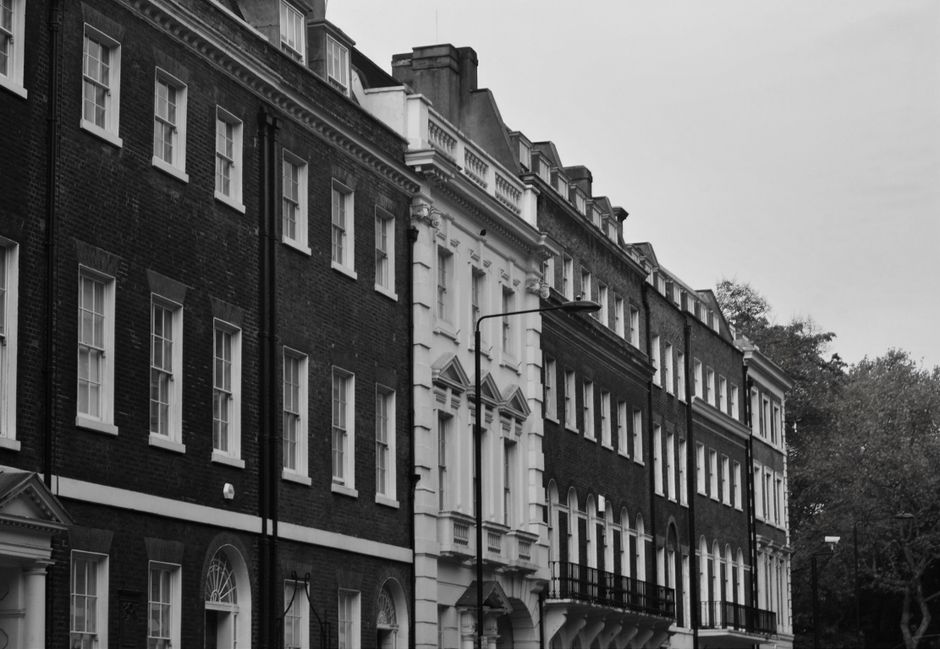
Westminster sits at the heart of central London and is closely associated with national government, ceremonial routes and a dense mix of civic, cultural and residential spaces. The area takes its name from Westminster Abbey and the historic “west minster†that grew around the monastic site. Over time, the district became one of the most symbolically important parts of the capital, with Parliament, Whitehall and the Abbey forming a powerful civic core. The Palace of Westminster, rebuilt in the nineteenth century after the fire of 1834, remains one of the most recognisable landmarks in Britain, while the nearby streets contain layers of older and newer building styles that reflect the area’s long administrative role. The wider district also includes notable green and open spaces such as St James’s Park and Green Park, both of which provide a contrast to the formal stone facades and busy traffic routes nearby. Westminster Cathedral, completed in the early twentieth century, adds another significant architectural feature to the area, with its distinctive Byzantine Revival design standing apart from the Gothic and classical styles that dominate much of central London. The local fabric is varied, with government buildings, hotels, offices, theatres, residential blocks and ceremonial spaces sitting unusually close together. That mix gives Westminster a strong sense of historical continuity, but it also means the area has changed repeatedly as political, transport and urban needs have shifted. Even now, the street pattern and the major landmark buildings keep the district closely tied to national institutions and to the wider story of London’s development.
Window, facade and hard-floor care

Some properties need attention beyond soft furnishings and general room cleaning. Window cleaning is useful where glass has gathered marks, street dust or weather staining, while facade cleaning addresses the external appearance of a building more broadly. Hard-floor cleaning is another distinct area, because tile, stone, vinyl and similar finishes often need a different treatment from carpeted rooms. Each of these tasks benefits from using the right method for the material rather than treating the surface as though it were all the same.
These services can be especially helpful when a property includes a mix of textures and finishes. A reception area may have glass, a polished entrance floor and upholstered seating, each needing its own approach. In a domestic setting, the same principle applies to hallways, kitchens and rooms with hard flooring. The cleaner’s job is to produce an even standard across surfaces without overworking delicate materials. That is why specialist pages are useful: they keep the job focused and help the quotation reflect the actual scope.
See window cleaning for glass work, facade cleaning for external building surfaces, and hard floor cleaning for more resilient flooring finishes. When the priority is a more general reset across the property, one-off cleaning remains a practical choice, and you are welcome to request a quotation when you are ready.